Education • Admissions • Careers
IIT vs. MIT: Which Is Actually Harder to Get Into?
The numbers might surprise you — and the answer depends entirely on what you mean by “hard.”
Every year, millions of Indian families live and die by a single set of exam results. The Joint Entrance Examination — Advanced, better known as JEE Advanced — is not just a test. It is a cultural institution, a rite of passage, and for many, a years-long obsession that begins in middle school. Across the ocean, MIT quietly receives around 28,000 applications from some of the most accomplished teenagers on the planet and admits roughly 1,280 of them.
These are the two institutions at the center of a debate that plays out in Indian living rooms, Silicon Valley offices, and Reddit threads simultaneously. Which school is actually harder to get into? The answer is more interesting than either side usually admits — and it says something important about the two countries that produced these institutions.
The Raw Numbers
Start with scale. Around 1.4 million students sit for JEE Main each year — the qualifying exam that allows the top 250,000 to attempt JEE Advanced. Of those, roughly 17,000–18,000 secure an IIT seat. That is an effective acceptance rate from the original pool of ~1–1.5%. For the most coveted programs — Computer Science at IIT Bombay or IIT Delhi — an All India Rank under 300 is typically required.
MIT admitted 1,284 students from 28,232 applicants in its most recent cycle — an acceptance rate of 4.55%. That sounds three times easier until you consider that virtually every MIT applicant already has near-perfect grades, strong test scores, and a track record of achievement. The floor is high before the competition even begins.
At a glance:
| IIT (JEE Advanced) | MIT | |
|---|---|---|
| Applicant pool | ~1.4 million | ~28,000 |
| Seats / admitted | ~17,000 IIT seats | ~1,284 |
| Effective accept. rate | ~1–1.5% | ~4.5% |
| What it tests | Pure science & math under time pressure | Academics + character + demonstrated impact |
| Prep model | 2–3 yrs coaching; exam-focused | Holistic; no defined prep formula |
| Annual cost | ~$500 USD | ~$88,000 (need-based aid available) |
| Global brand | Strong in tech / South Asia | Universally recognized |
*MIT offers substantial need-based aid; ~37% of students attend tuition-free.
Two Different Definitions of “Hard”
The JEE Advanced tests one thing with brutal efficiency: deep, fast mastery of Physics, Chemistry, and Mathematics. No essays, no teacher recommendations, no personality. The exam runs across two three-hour papers on a single day, designed to test not just knowledge but stamina and composure under sustained pressure. Students who sit JEE Advanced are not taking an exam; they are executing a performance they have rehearsed for years.
MIT’s admissions process is almost the philosophical opposite. Grades and test scores are table stakes — the vast majority of rejected applicants have near-perfect GPAs and SAT scores. What the admissions office looks for is harder to quantify: intellectual curiosity, the ability to collaborate, evidence of genuine impact, and some indication this person will do something interesting with their life. A perfect SAT score gets you to the starting line. Everything else determines whether you finish.
Neither approach is obviously superior. One rewards systematic mastery under pressure. The other tries to predict who will change the world. And as we will see, the differences in what each process selects for shows up clearly in the careers that follow.
The Story That Says It All
In 2020, a Pune teenager named Chirag Falor scored 352 out of 396 on JEE Advanced — the highest score in India that year, with a 100 percentile in JEE Main. He had also, earlier that year, secured admission to MIT. So he did something almost no one had done before: he sat the JEE while simultaneously enrolled at MIT, attending Cambridge lectures at night and preparing for the JEE by day. When the results came out, he had the top rank in the country — and turned down every IIT offer.
“The JEE was tougher than the MIT admission process. The exam has given me a different confidence altogether. I used to attend MIT classes online during the night and then prepare for IIT exams in the day.”
— Chirag Falor, JEE Advanced 2020 All-India Rank 1, speaking to PTI
Falor’s story is the clearest possible data point in this debate. He is one of the rare humans who experienced both sides at the same time, and found the exam — whose explicit purpose is to test depth of subject knowledge — harder than gaining entry to one of the world’s best known technical institutions. It also illustrates something else: a growing number of India’s best-prepared students are looking beyond IIT entirely.
The Factory Called Kota
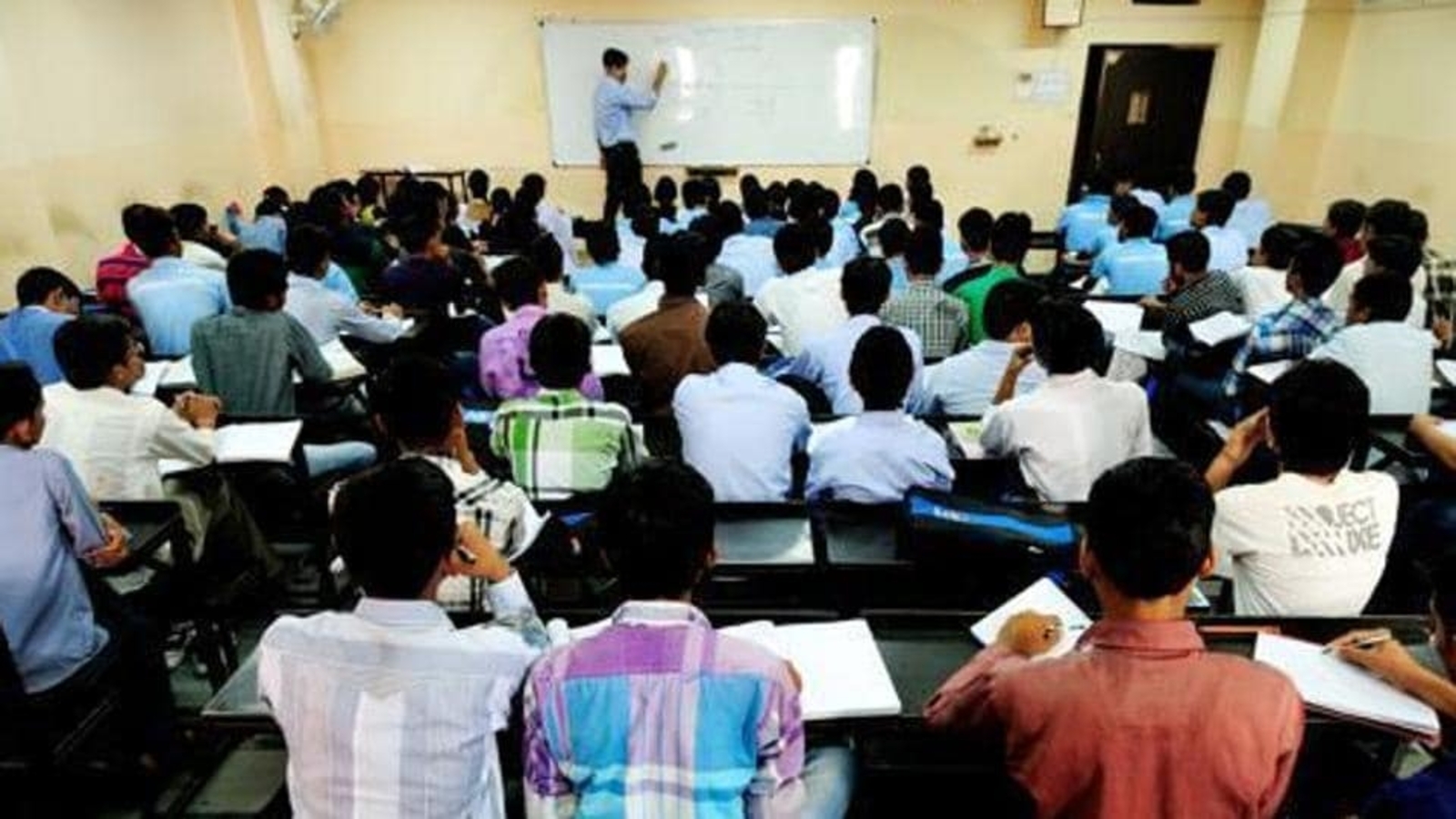
To understand what the JEE acceptance rate really means, you need to understand Kota — a city in Rajasthan that most people outside India have never heard of, and that every JEE aspirant in India knows intimately.
Kota is India’s coaching capital. At its peak, over 250,000 students a year — most of them 15 to 18 years old — left their families and moved to this city of 1.5 million specifically to prepare for the JEE and its medical equivalent, NEET. They lived in hostels, attended classes at institutes with names like Allen, Resonance, and Bansal, and studied for six to eight hours a day in addition to formal coaching sessions. A 2023 survey found that over 85% of Kota students study six to seven hours daily in coaching alone, with some exceeding eight hours.
The industry that grew up to serve them was enormous. At its height, Kota’s coaching economy was valued at approximately ₹6,500–7,000 crore (~$800 million), employed half a million people, and had more hostels per square kilometer than almost any city in India. It was, by any measure, an industrial operation for producing JEE-ready teenagers.
What it was also producing, quietly and then loudly, was a mental health crisis.
Students reported loneliness, mood swings, depression, and disrupted sleep as routine features of their preparation. Some disappeared without warning. The body of 16-year-old Rachit Sondhia, a JEE aspirant from Madhya Pradesh, was recovered from the Chambal valley after he went missing for nine days.
“Caught between familial demand and inability to cope with the academic pressure, several students spiral into depression and in some instances kill themselves.”
— The Diplomat, February 2024
The human cost became impossible to ignore. The Prime Minister addressed it publicly. The district administration deployed counsellors, installed anti-suicide devices on ceiling fans in hostels, and launched mental health initiatives. By 2024, suicides had fallen to 17 — a 50% reduction, though still a grim number for a city whose primary product is exam preparation. Enrollment also fell sharply, from 250,000 at peak to around 85,000–100,000 by 2024–25, and industry revenue halved.
The Kota story is not an argument against the JEE or IIT. It is an argument about what happens when a society concentrates extraordinary ambition into a single elimination exam — and what the human cost of that concentration can be. MIT’s holistic process, for all its imperfections and subjectivity, does not produce a Kota. The JEE’s brutal precision does.
America’s Most Valuable Import
For most of the 20th century, Americans had no idea what an IIT was. That changed in March 2003 when CBS News correspondent Lesley Stahl filed a 60 Minutes segment that effectively introduced the institution to mainstream America.
“The smartest, most successful, most influential Indians who’ve migrated to the US seem to share a common credential: They’re graduates of the Indian Institute of Technology. Put Harvard, MIT and Princeton together, and you begin to get an idea of the status of this school in India.”
— CBS 60 Minutes, “Imported From India,” March 2, 2003
▶ WATCH: CBS 60 Minutes — “Imported From India” (2003, full original)
The segment that put IIT on America’s radar. Still essential viewing.
The segment aired at a time when Indian-born engineers were quietly running significant portions of Silicon Valley. In 2005, the US House of Representatives passed a formal resolution honoring IIT graduates for their contribution to American society. The Wall Street Journal had already declared it “arguably harder to get into an IIT than into Harvard or MIT.”
That was 2003. In 2021, Netflix released a three-part documentary that brought the story into the streaming era — and this time, the focus was less on triumph than on cost.
▶ WATCH: Alma Matters: Inside the IIT Dream — Official Trailer (Netflix, 2021)
A rare inside look at student life at IIT. Engrossing and at times quietly devastating.
Where the 60 Minutes segment celebrated IIT’s output, Alma Matters examined its interior — the pressure, the social hierarchies, the gap between the dream of getting in and the reality of being there. Together, the two pieces of journalism bracket twenty years of growing global awareness of what IIT is and what it costs to get there.
What the Admissions Process Predicts About Careers
Here is something worth sitting with: the career trajectories of IIT and MIT alumni are not just different in scale — they are different in kind. And the difference maps, with surprising fidelity, onto what each admissions process selects for.
IIT alumni are disproportionately represented at the very top of large organizations — as CEOs, CTOs, and global division heads of companies others built. Sundar Pichai runs Google. Arvind Krishna runs IBM. Raj Subramaniam runs FedEx. Nikesh Arora runs Palo Alto Networks. The pattern is striking: the JEE selects for depth, precision, systematic execution, and performance under structured pressure. Those are exactly the skills that make an exceptional senior executive in a large, complex organization.
MIT alumni are more likely to appear at the origin of things. Robert Noyce co-invented the microchip. Richard Feynman built the theoretical foundations of quantum computing. Drew Houston conceived Dropbox on a bus. Ben Bernanke redesigned how central banks fight financial crises. Kofi Annan reimagined the UN’s humanitarian mandate. The holistic process, with its emphasis on curiosity, initiative, and demonstrated impact, seems to select for people who are drawn to problems that don’t have defined solutions yet.
Neither pattern is absolute. IIT has produced founders and MIT has produced exceptional operators. But the tendency is real enough to notice — and real enough to trace back to the admissions room. When you select for exam performance, you get great executors. When you select for intellectual range and independent initiative, you get great originators. Both the world and the Fortune 500 need both.
Five IIT Graduates Who Changed the World
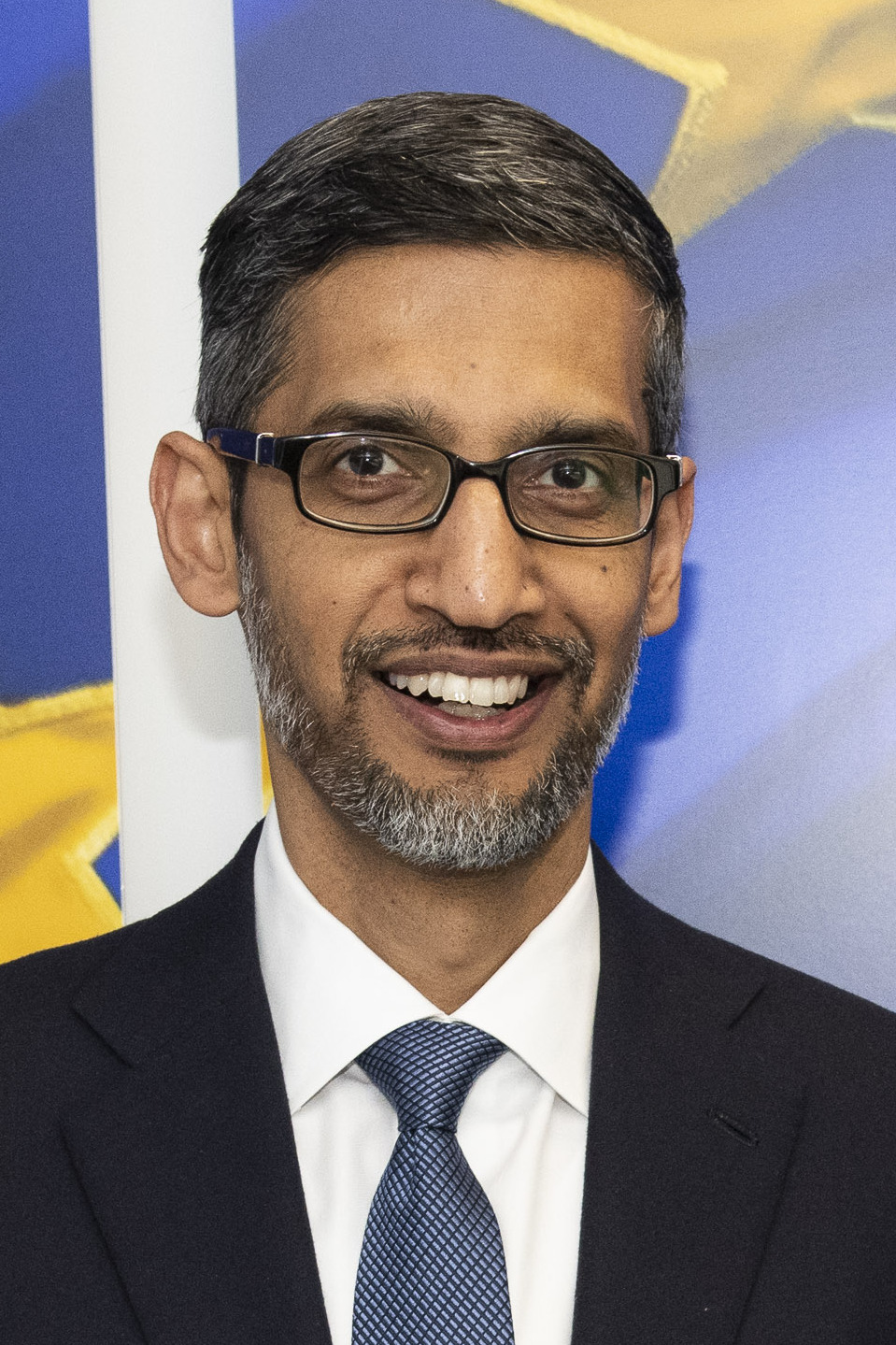
1. Sundar Pichai — CEO, Google & Alphabet (IIT Kharagpur, Metallurgical Engineering)
Pichai has said that getting into IIT Kharagpur “changed the course of my life.” He led the development of Google Chrome, Android, and Google Drive before becoming CEO of Alphabet. Under his leadership Google has made its most significant bets on AI — fitting for someone trained to solve problems with speed and precision.
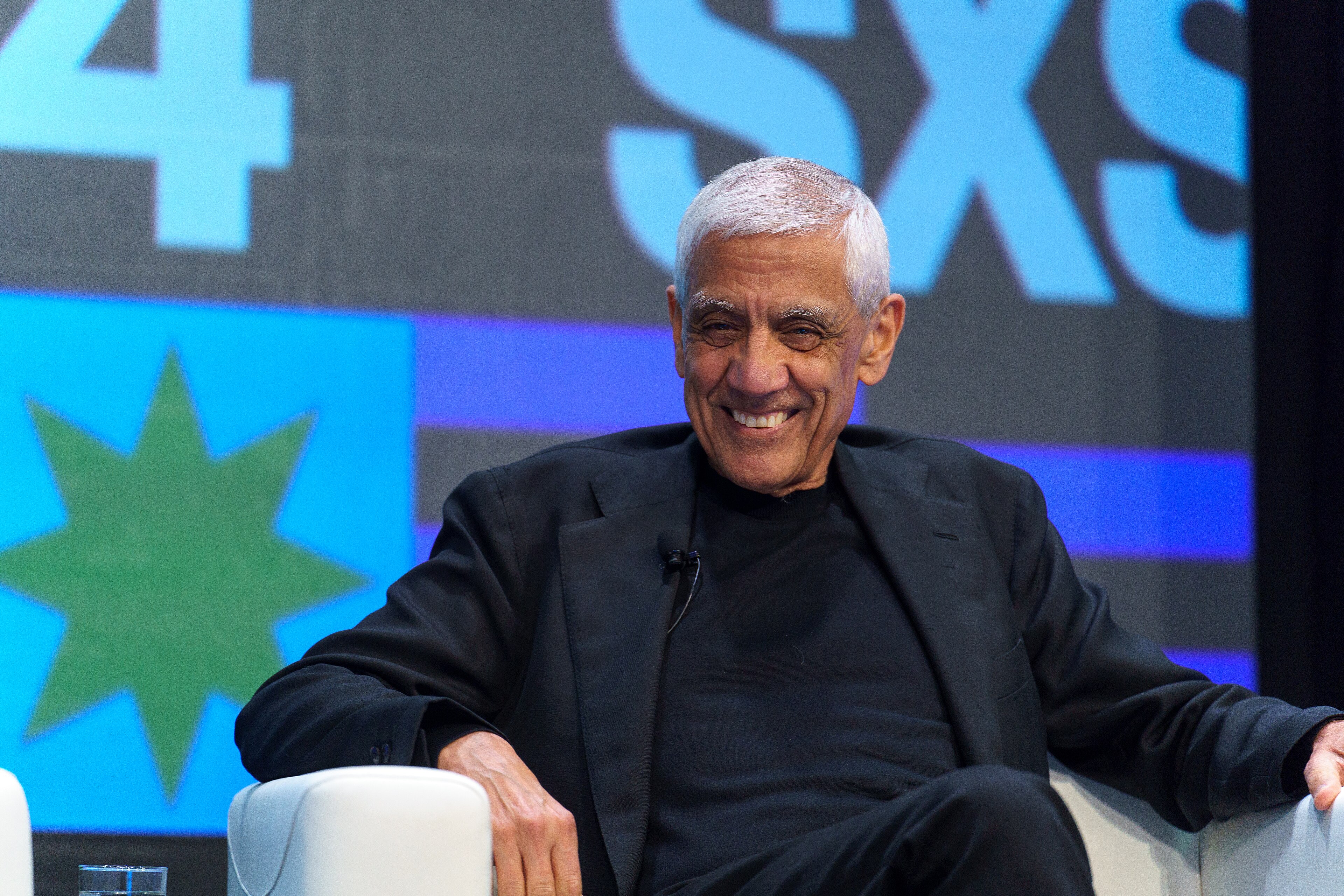
2. Vinod Khosla — Co-founder, Sun Microsystems; Founder, Khosla Ventures (IIT Delhi, Electrical Engineering)
Khosla co-founded Sun Microsystems, whose infrastructure powered much of the 1990s internet. He then became one of Silicon Valley’s most influential venture capitalists, backing clean energy and health tech. He has argued that IIT’s rigor gave him the tools to navigate difficult situations in ways most investors cannot.
3. Arvind Krishna — CEO, IBM (IIT Kanpur, Electrical Engineering)
Krishna orchestrated IBM’s $34 billion acquisition of Red Hat in 2019 — the largest software acquisition in history at the time — and was named CEO the following year. His thesis, that hybrid cloud computing was the future of enterprise technology, has since been widely validated. Deep technical conviction, patiently executed: a recognizably IIT career arc.
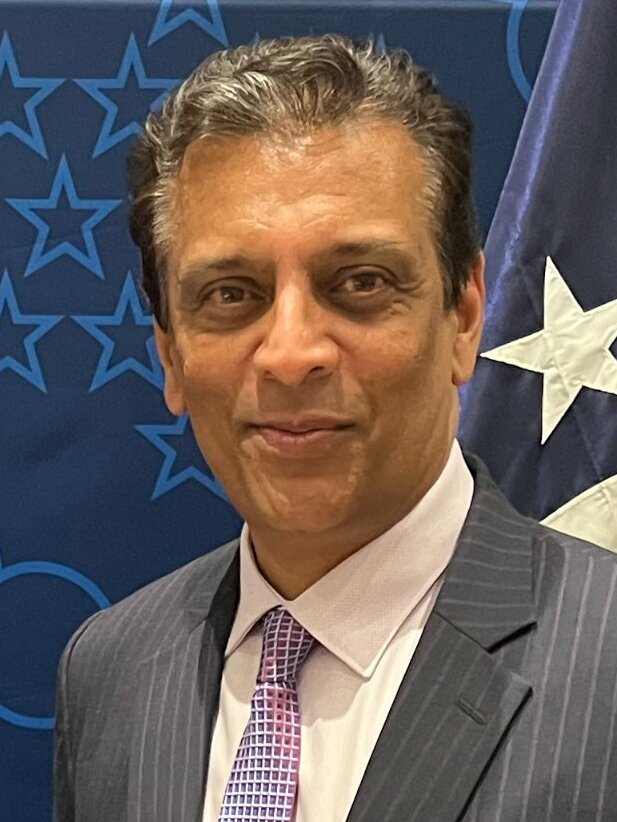
4. Raj Subramaniam — CEO, FedEx (IIT Bombay)
Subramaniam became CEO of FedEx in 2022, leading one of the largest logistics networks in the world with over $90 billion in revenue and 500,000 employees. His rise through the organization over three decades is a case study in how IIT alumni tend to build within structures rather than around them.

5. Aravind Srinivas — Co-founder & CEO, Perplexity AI (IIT Madras, Computer Science)
Among the most recent generation of IIT alumni reshaping the industry, Srinivas founded Perplexity AI — a conversational search engine that has grown to over a billion dollars in valuation and is considered one of the most credible challengers to Google’s search dominance. He represents a newer pattern: the IIT graduate who doesn’t go work for someone else’s company.
Five MIT Graduates Who Changed the World
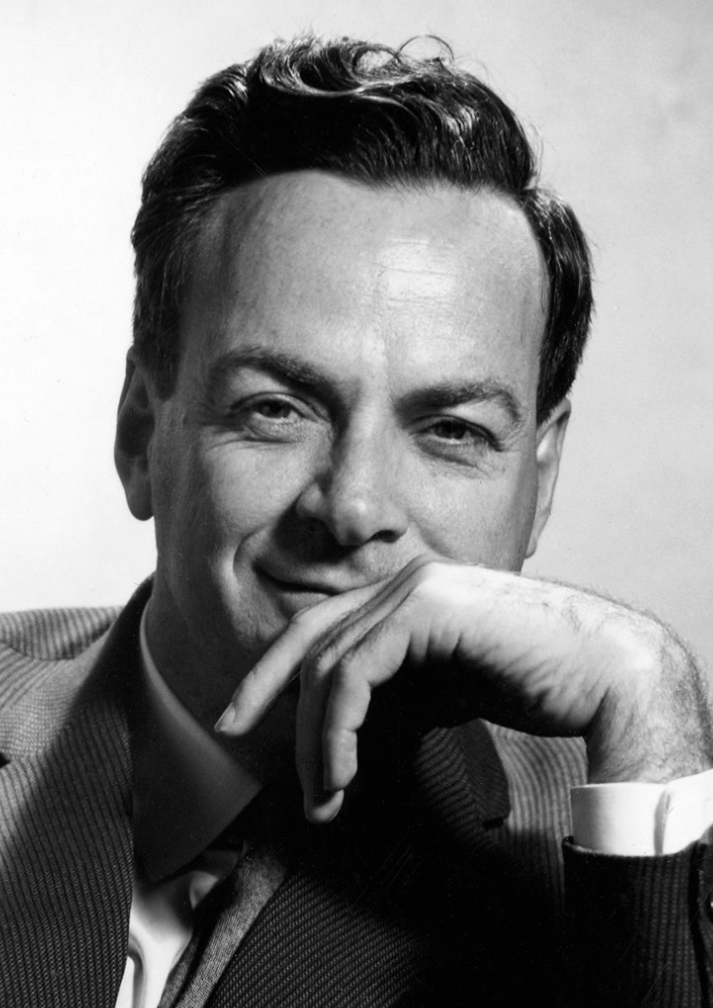
1. Richard Feynman — Nobel Laureate, Physics (MIT, BS Physics, Class of 1939)
Feynman won the 1965 Nobel Prize for his work in quantum electrodynamics and worked on the Manhattan Project. He pioneered concepts that laid the groundwork for nanotechnology and quantum computing. His Feynman Lectures on Physics remain the standard introduction to the subject at universities worldwide — decades after his death, he is still teaching.
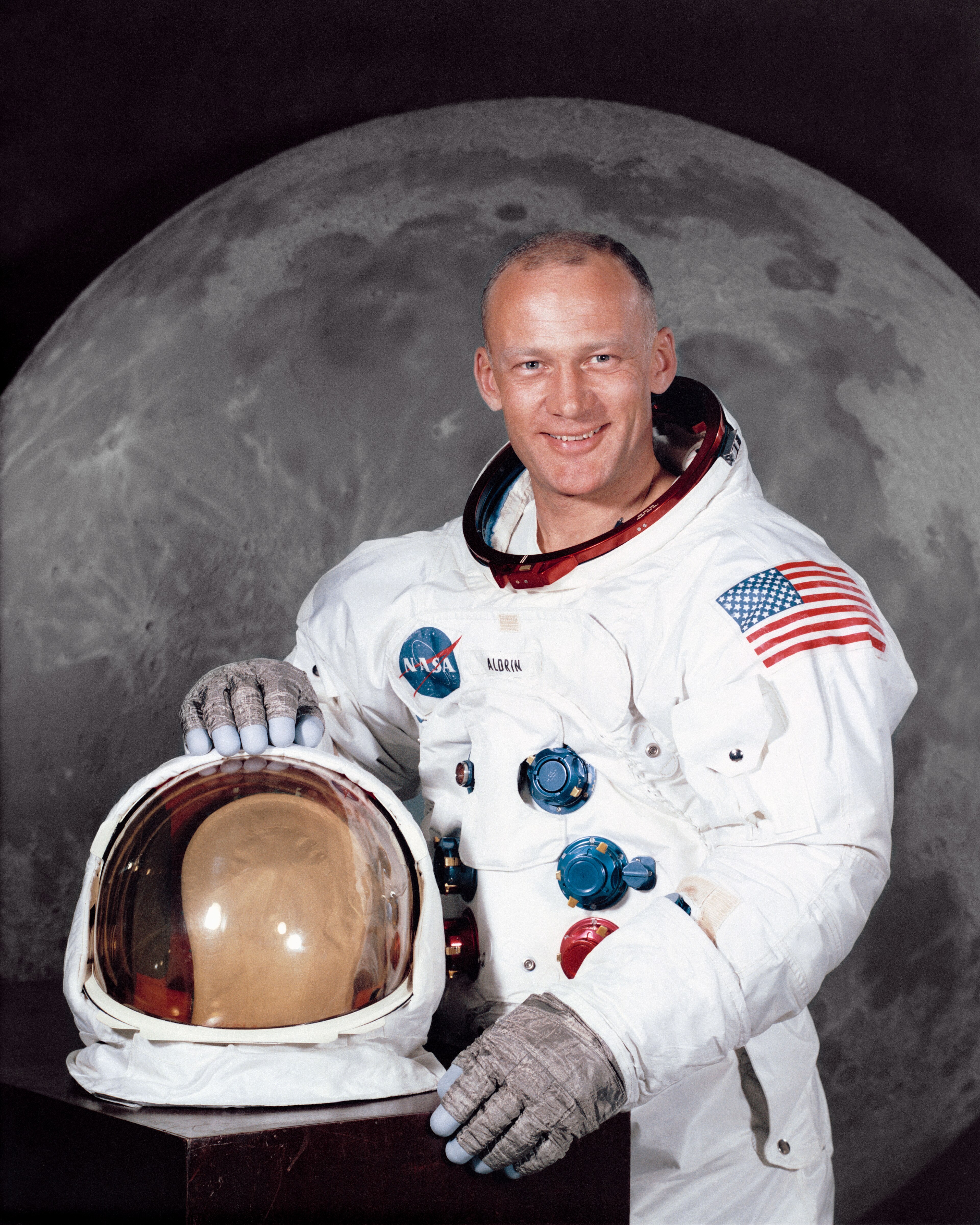
2. Buzz Aldrin — Astronaut, Apollo 11 (MIT, Sc.D. Astronautics, 1963)
Aldrin’s MIT doctoral thesis — on manned orbital rendezvous techniques — directly informed the flight plan that took him to the Moon in 1969. His description of the lunar surface as “magnificent desolation” remains one of the most quoted lines in space history. He spent the rest of his life advocating for a crewed mission to Mars.
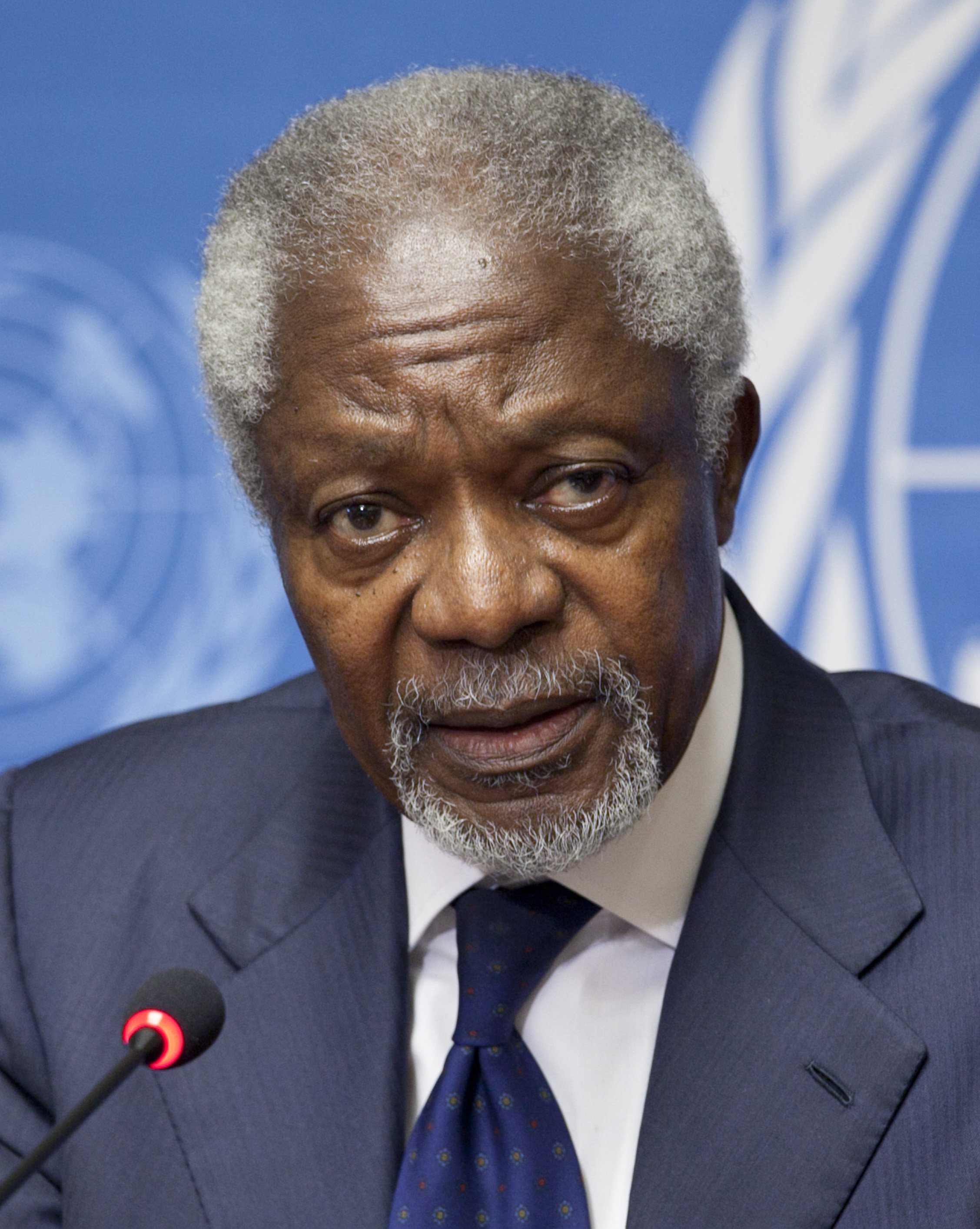
3. Kofi Annan — UN Secretary-General; Nobel Peace Prize (MIT Sloan, SM Management, 1972)
Annan served as the seventh Secretary-General of the United Nations and was awarded the Nobel Peace Prize jointly with the UN in 2001. He transformed the organization’s approach to humanitarian intervention and was the principal architect of the Millennium Development Goals, a framework credited with helping lift hundreds of millions of people out of extreme poverty.
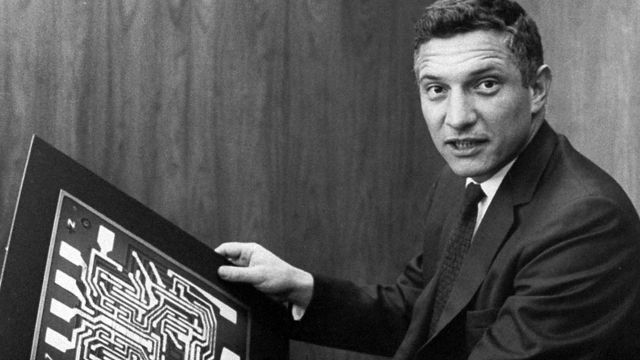
4. Robert Noyce — Co-inventor of the Microchip; Co-founder, Intel (MIT, PhD Physics)
Noyce co-invented the integrated circuit — the microchip — and co-founded Intel, the company that put a processor in every personal computer on earth. He was nicknamed “the Mayor of Silicon Valley” not just for his technical contributions but for the collaborative, non-hierarchical culture he modeled. Modern computing is, in a direct line, his legacy.
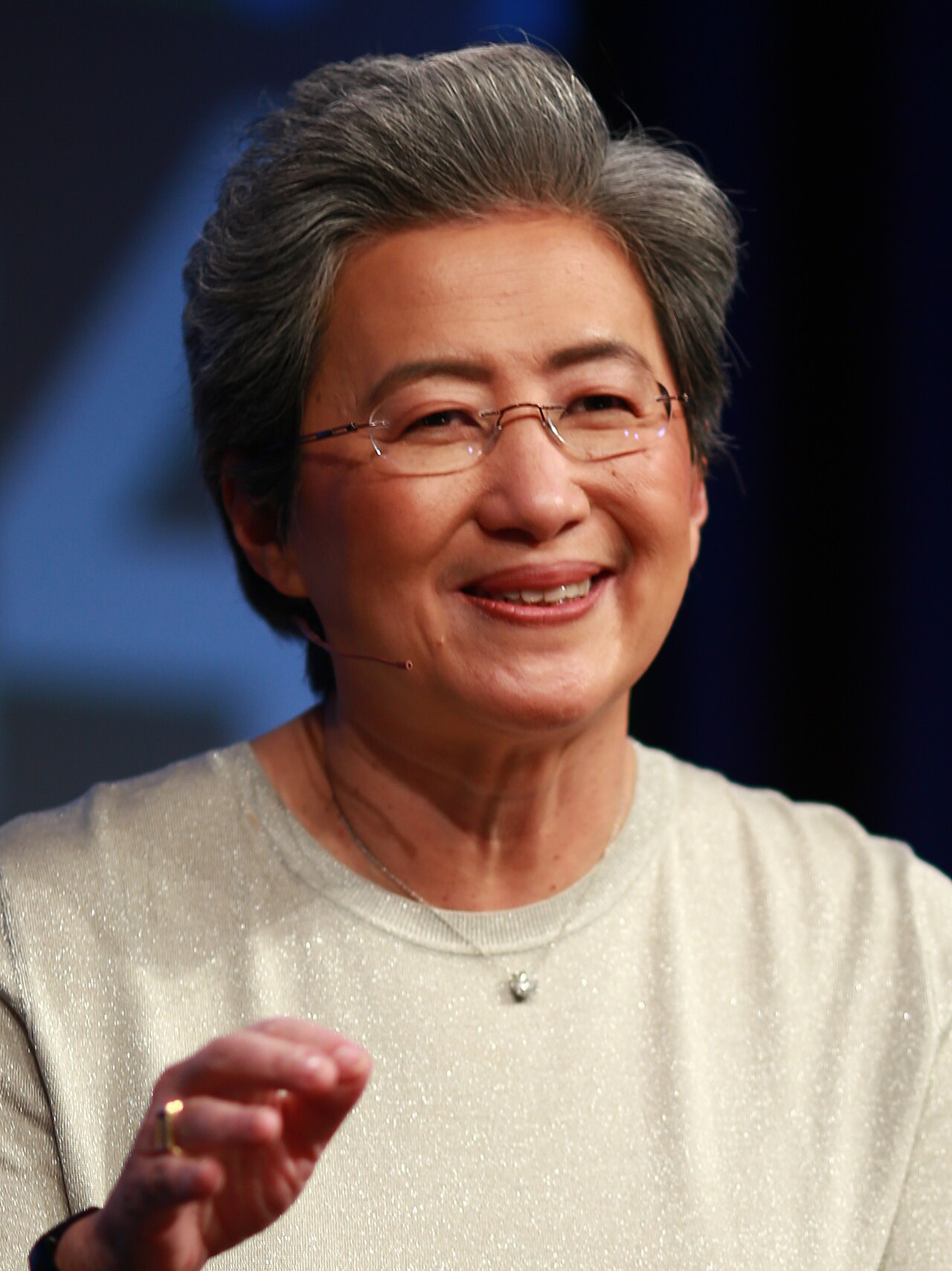
5. Lisa Su — Chair & CEO, AMD (MIT, PhD Electrical Engineering, 1994)
Su engineered one of the most dramatic corporate turnarounds in modern tech history, transforming AMD from a struggling also-ran into a genuine rival to Intel and Nvidia in semiconductors and AI chips. MIT’s full pipeline — BS, MS, and PhD, all in electrical engineering — produced someone who could understand the technology deeply enough to direct it and build a competitive machine around it.
The Global Brand Gap — and Why It Exists
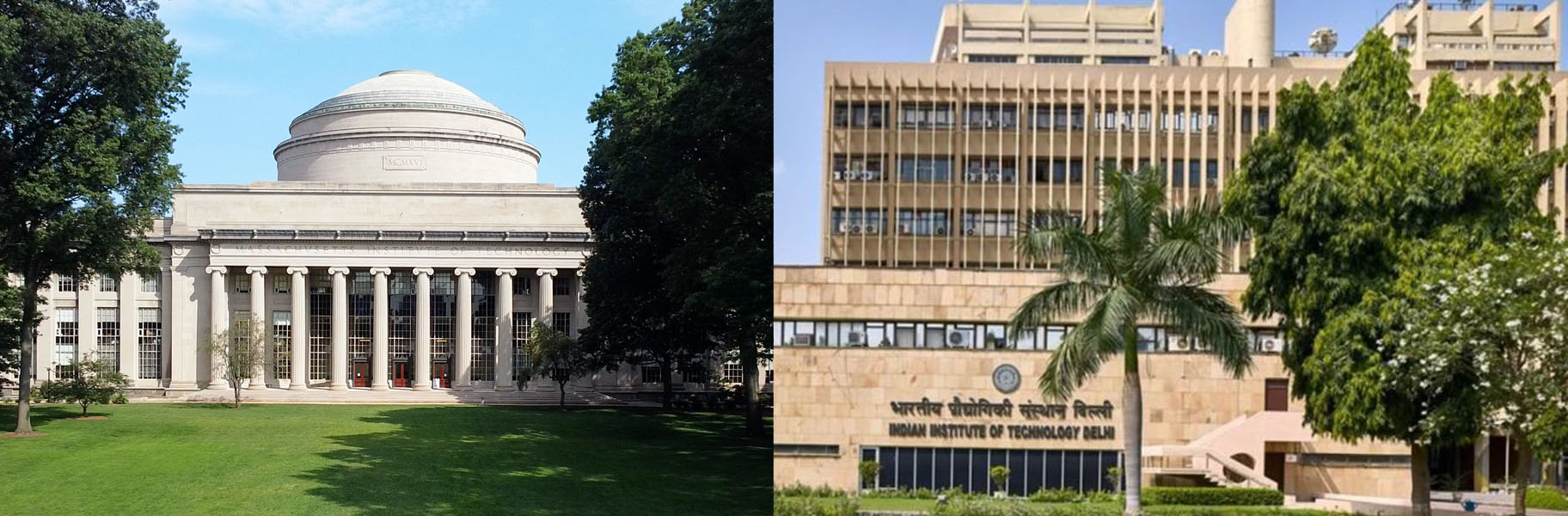
Here is the uncomfortable truth: despite arguably harder entry, IIT carries far less global name recognition than MIT outside of technology and South Asian circles. Say “I went to MIT” in a boardroom in London, Lagos, or Seoul. Instant recognition. Say “I went to IIT Bombay.” You may need to explain what that is.
Part of this is history. MIT has had a century of global research output, Nobel Prize affiliations, and English-language media coverage. The IIT System was founded in 1951 (Kharagpur came first, Bombay in 1958) to modernize a newly independent nation’s technical base — not to compete for global prestige. It succeeded at its original mission beyond anyone’s expectations. Global branding was secondary, and it shows.
It is also, frankly, about geography. American institutions get amplified by American media, and American media reaches everywhere. The 2003 60 Minutes segment did more for IIT’s global image than decades of alumni success had managed. That is not a knock on IIT. It is a structural reality of how institutional reputation travels.
IIT Bombay and IIT Delhi now rank in the global top 150–200 in QS World University Rankings, and that number is moving in the right direction. Within the circles that actually matter — global technology companies, top graduate programs, AI research labs — the IIT credential is no longer obscure. It just hasn’t made its way to every boardroom yet.
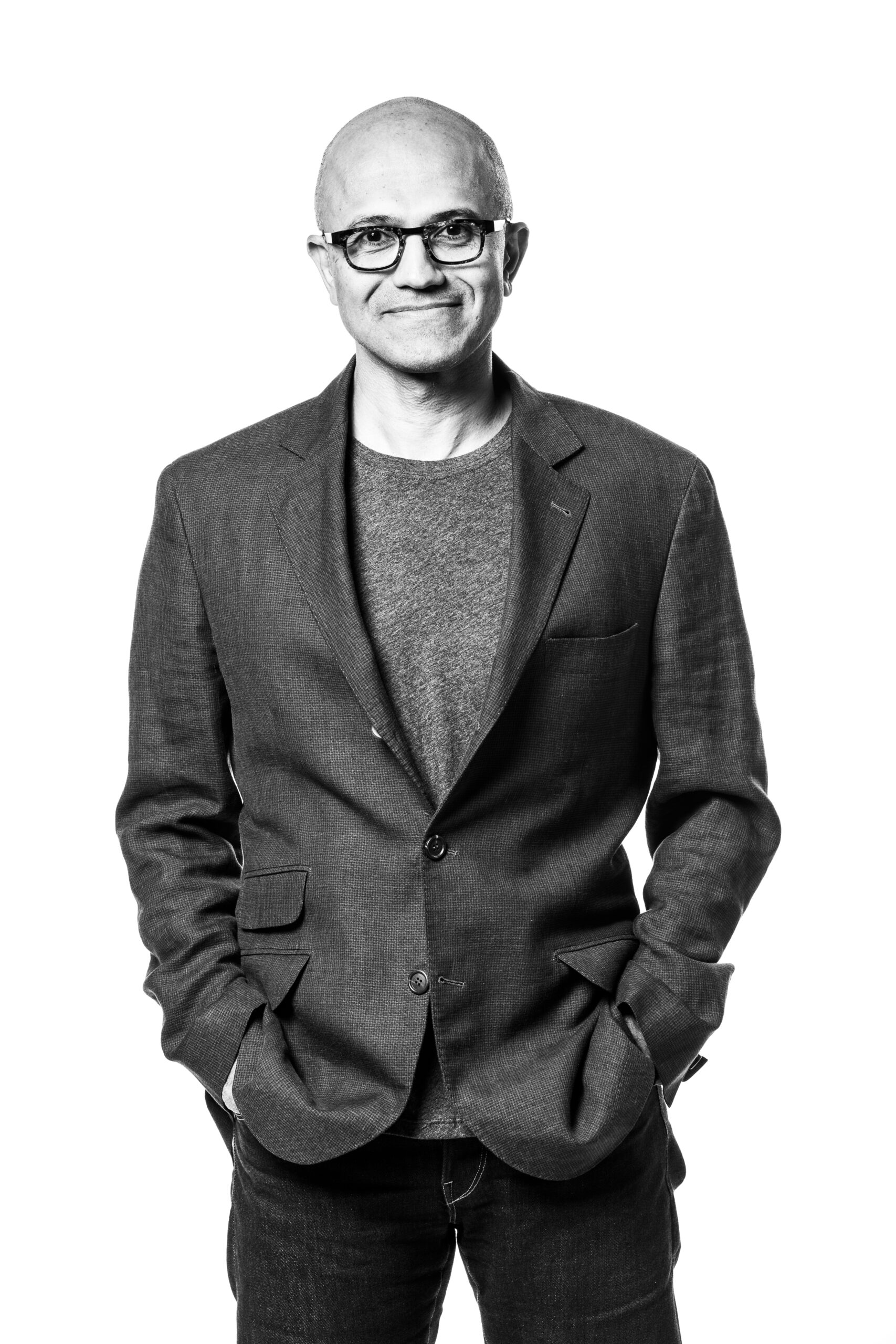
Satya Nadella — the Microsoft CEO who turned a struggling giant into a $3 trillion company and pioneered the cloud-first strategy that the entire enterprise tech industry now follows — did not get into an IIT. He has described it as “the holy grail” for middle-class Indian students. He didn’t make it.
He studied electrical engineering at Manipal Institute of Technology, then largely unknown, before moving to the University of Wisconsin-Milwaukee for his master’s. His journey to the top of Microsoft had nothing to do with IIT’s filter and everything to do with what he built afterward.
The same dynamic plays out with MIT. Every year, thousands of students with near-perfect grades and SAT scores are rejected. Some of them go on to found companies, win prizes, and reshape industries. The admissions process is a signal, not a sentence. The exam is the beginning, not the outcome.
NIT vs. US State Flagship — The Other 99%
Not everyone is competing for IIT or MIT, and the comparison has a useful parallel further down the selectivity ladder. India’s National Institutes of Technology (NITs) admit students through JEE Main scores alone — no Advanced required. They are highly respected, particularly for engineering, and their alumni represent a significant share of the Indian diaspora working in the US.
The American equivalent: state flagship universities — UT Austin, University of Michigan, Georgia Tech, Purdue. Strong programs, strong outcomes, a fraction of the selectivity pressure of MIT. For most students in both countries, these are the realistic and often excellent alternatives.
The parallel is nearly exact: a national exam-driven path vs. a holistic one, with similar median outcomes at the other end. Neither system has a monopoly on producing exceptional engineers.
So, Which Is Actually Harder?
By raw acceptance rate from the full applicant pool, IIT is harder. One-point-something percent is one-point-something percent, and no amount of framing changes that arithmetic.
By the breadth and unpredictability of what’s being evaluated — academics, character, initiative, demonstrated impact — MIT’s process is harder to prepare for and impossible to crack purely through hard work. The JEE rewards systematic preparation. MIT’s admissions resists it.
The most honest answer is that they are hard in completely different ways, selecting for different things, producing different kinds of excellence. Chirag Falor found the JEE harder. Many applicants would find MIT’s requirements — build something, lead something, be genuinely interesting — far more daunting than six hours of physics problems.
What is not in dispute: both institutions produce graduates who shape the world at rates that no selection process can fully explain. The harder question, it turns out, isn’t which school is harder to get into. It’s what you do when no one is testing you anymore.
Addendum: Notable Alumni — The Extended Lists
A reference list for readers who want to go deeper. These are the graduates — beyond the top five — who illustrate the breadth of what both institutions have produced.
| IIT Alumni — Global Impact Across Fields | ||
| Photo | Name & Institution | Key Achievement |
|
Sundar Pichai
IIT Kharagpur
|
CEO, Google & Alphabet. Led development of Chrome, Android, and Google Drive. |
|
Vinod Khosla
IIT Delhi
|
Co-founder, Sun Microsystems; Founder, Khosla Ventures. Billionaire VC backing clean energy and health tech. |
|
Arvind Krishna
IIT Kanpur
|
CEO, IBM. Architect of the $34B Red Hat acquisition. |
|
Raj Subramaniam
IIT Bombay
|
CEO, FedEx. Leads a $90B+ global logistics network of 500,000 employees. |
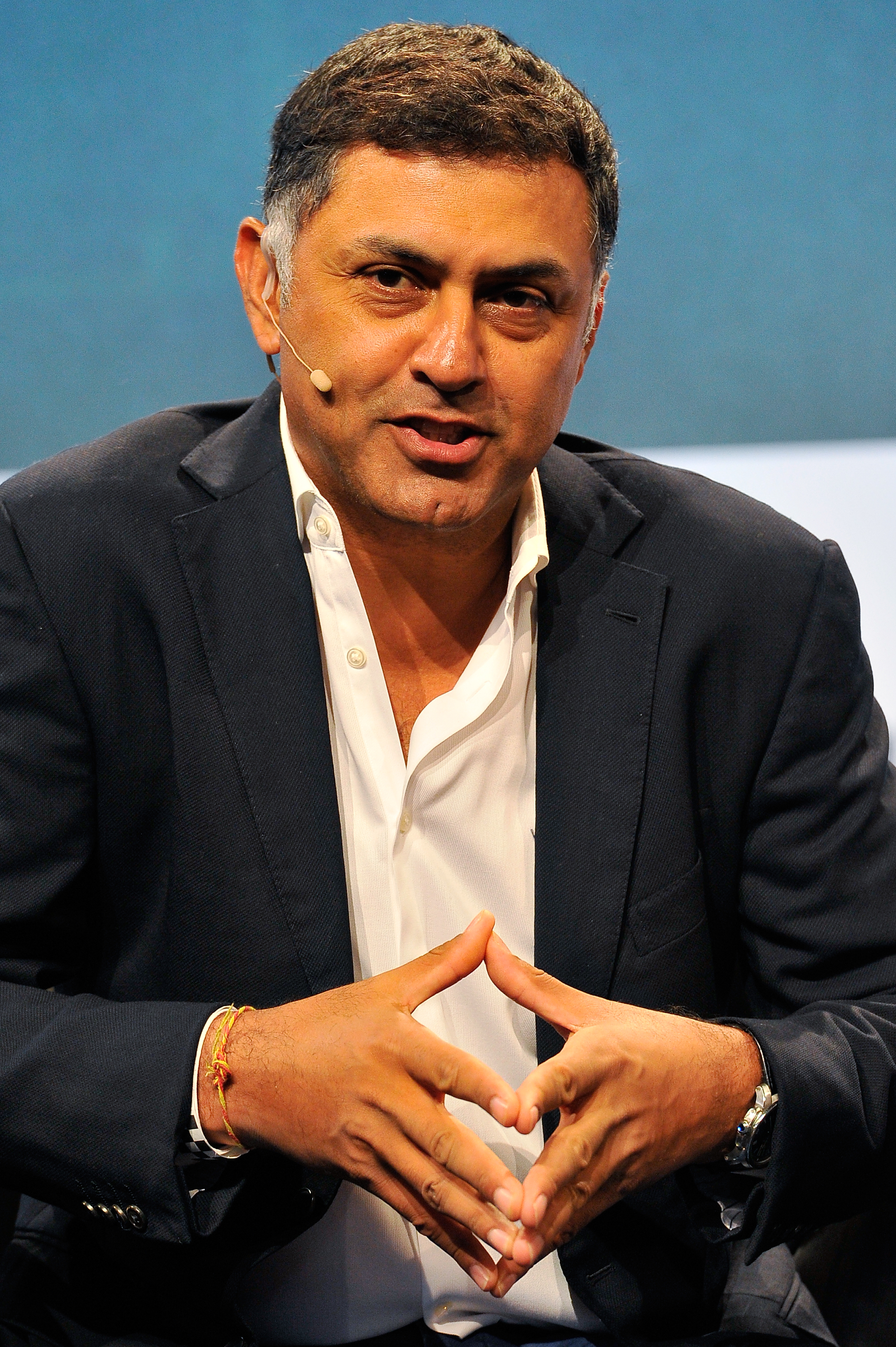 |
Nikesh Arora
IIT BHU
|
CEO & Chairman, Palo Alto Networks. Former Chief Business Officer, Google. |
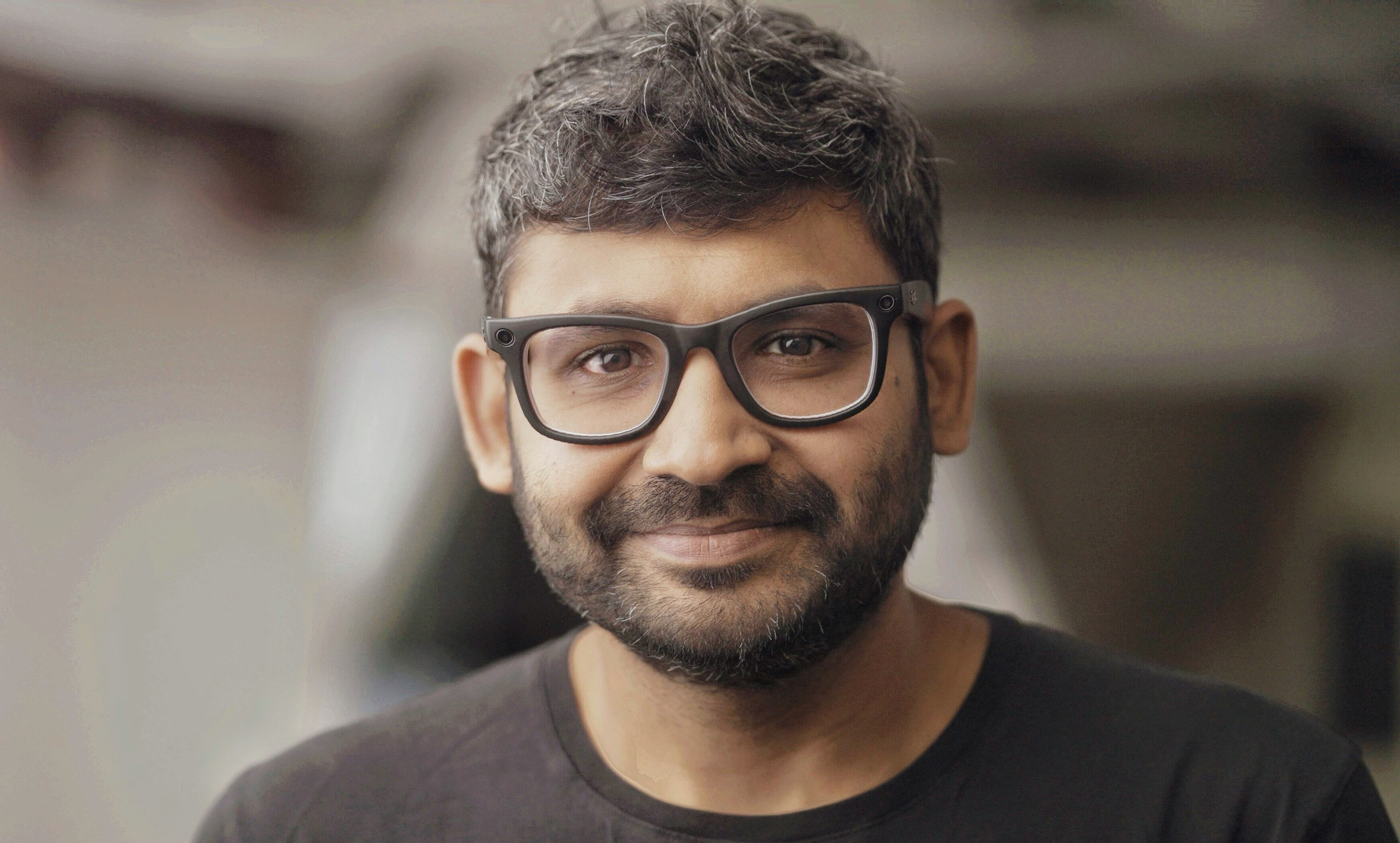 |
Parag Agrawal
IIT Bombay
|
Former CEO, Twitter/X. Was the youngest S&P 500 CEO at age 37. |
|
Aravind Srinivas
IIT Madras
|
Co-founder & CEO, Perplexity AI. Leading challenger to Google’s search dominance. |
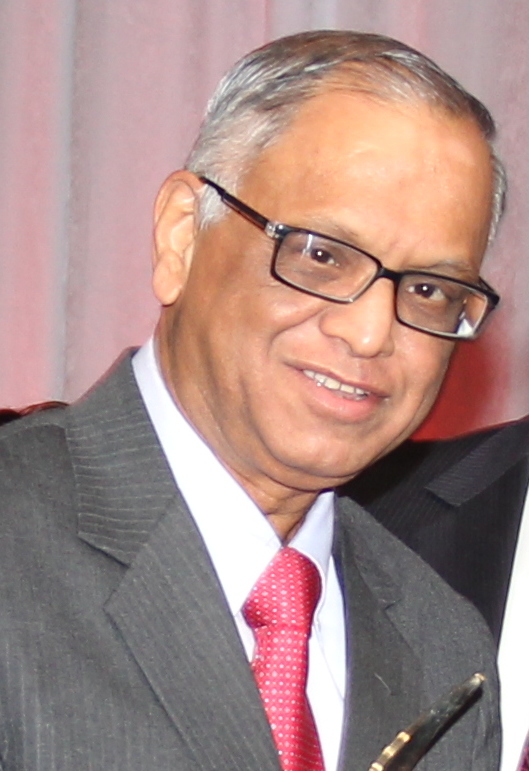 |
N.R. Narayana Murthy
IIT Kanpur (MS)
|
Co-founder, Infosys. One of the architects of India’s IT services industry. |
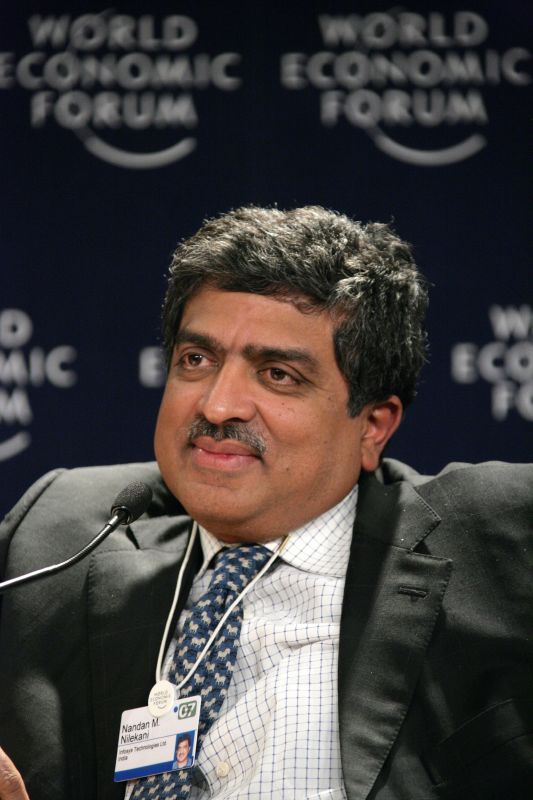 |
Nandan Nilekani
IIT Bombay
|
Co-founder, Infosys; architect of Aadhaar, India’s national digital identity system used by 1.4B people. |
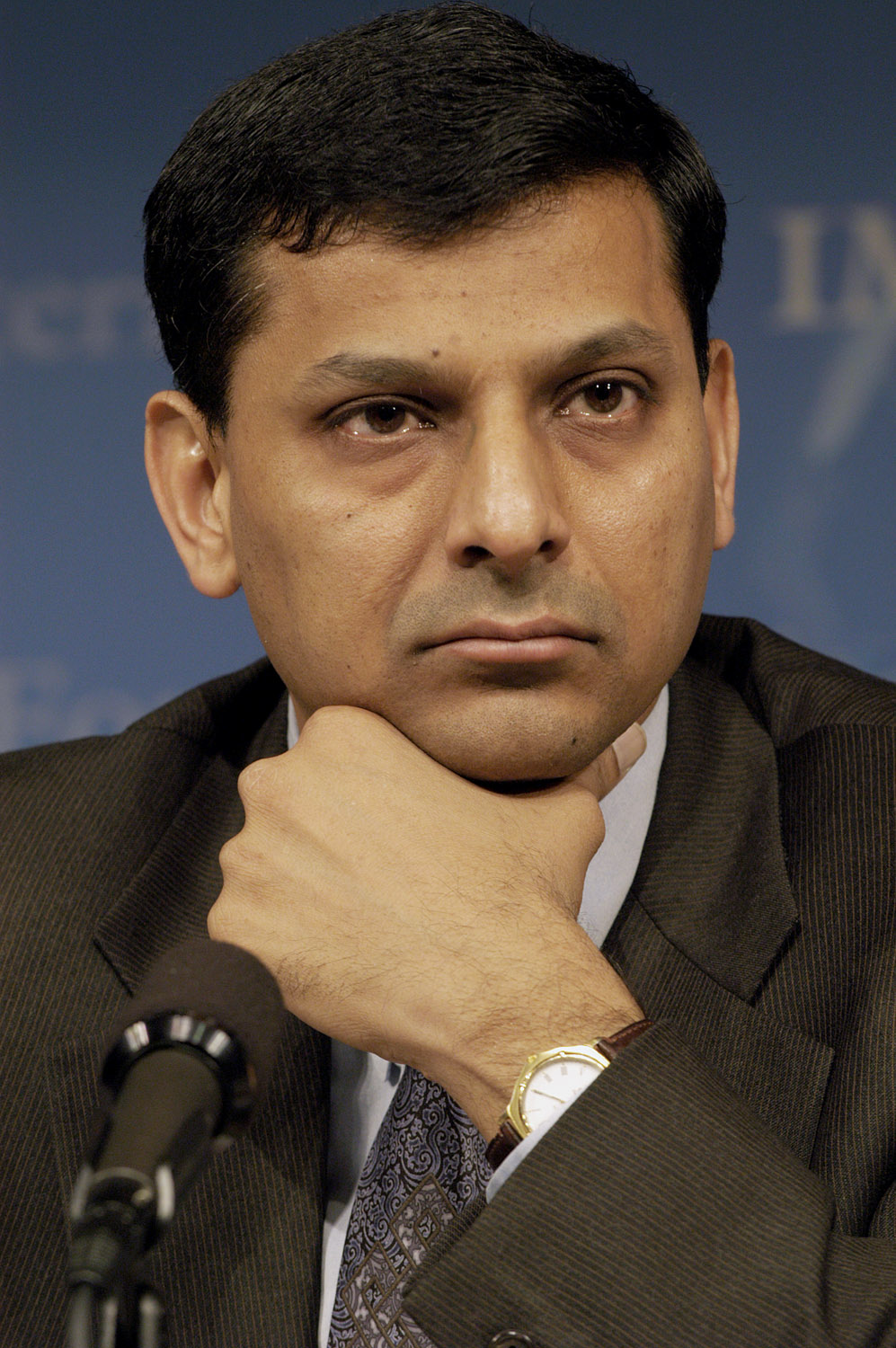 |
Raghuram Rajan
IIT Delhi
|
Former Governor, Reserve Bank of India; former IMF Chief Economist. Predicted the 2008 financial crisis in 2005. |
 |
Deepinder Goyal
IIT Delhi
|
Founder & CEO, Zomato. Built India’s largest food delivery platform. |
 |
Bhavish Aggarwal
IIT Bombay
|
Co-founder, Ola Cabs; Founder, Ola Electric and Krutrim AI. |
 |
Vineeta Singh
IIT Madras
|
Co-founder & CEO, SUGAR Cosmetics; judge on Shark Tank India. |
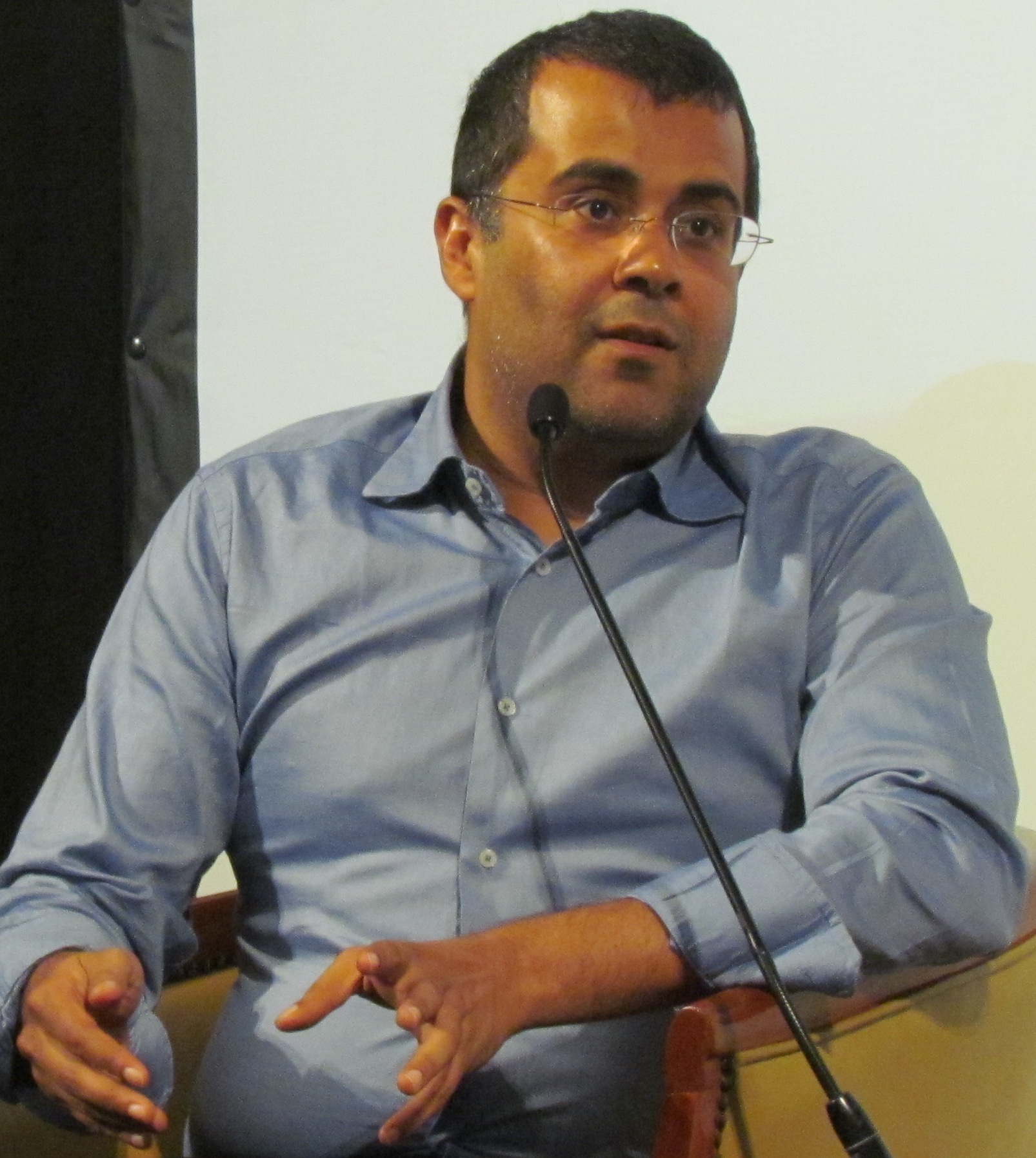 |
Chetan Bhagat
IIT Delhi
|
Bestselling author; Five Point Someone — the novel about IIT life that became a Bollywood blockbuster. |
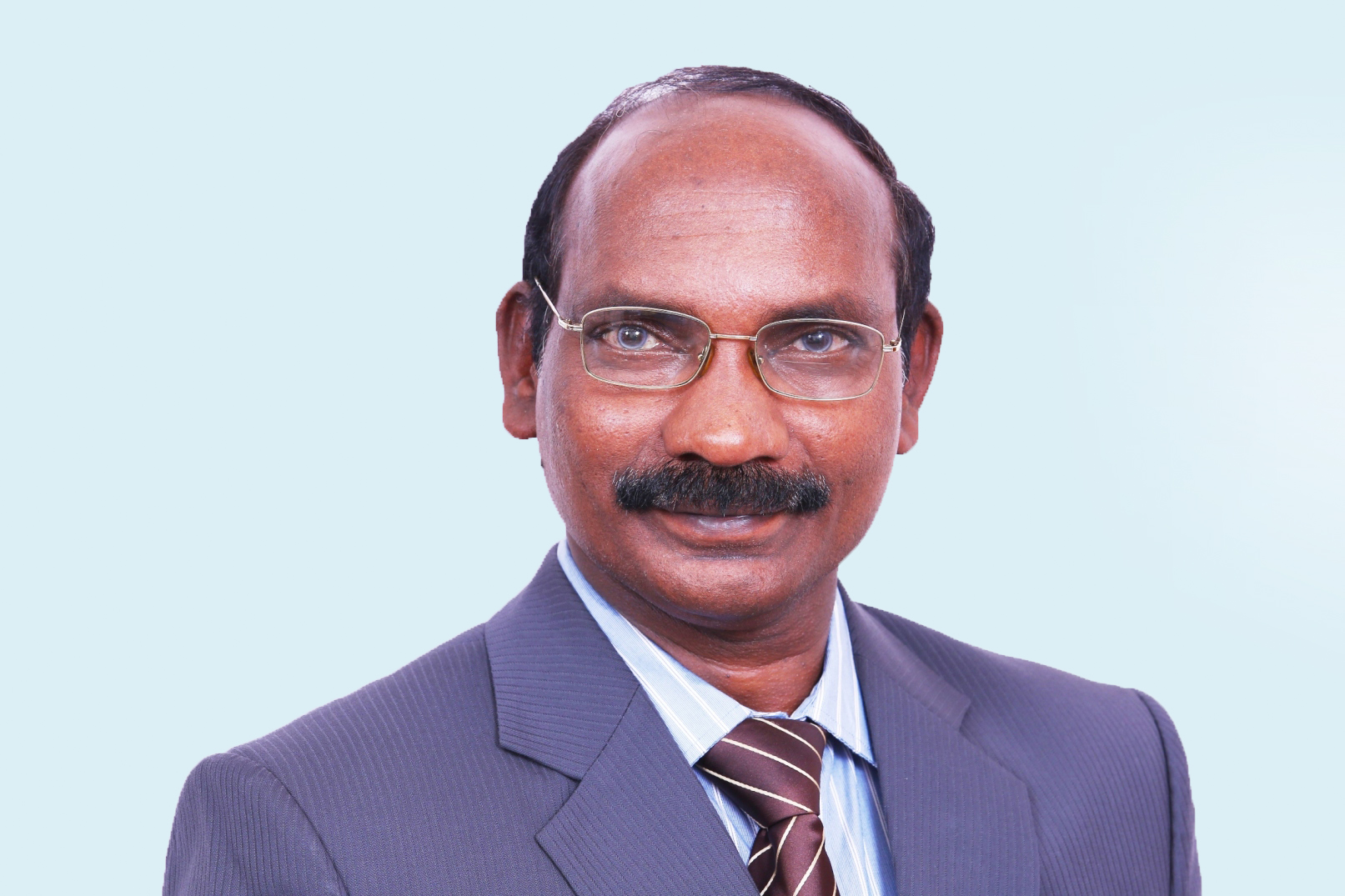 |
K. Sivan
IIT Bombay
|
Former Chairman, ISRO. Led the Chandrayaan and Mangalyaan space programs. |
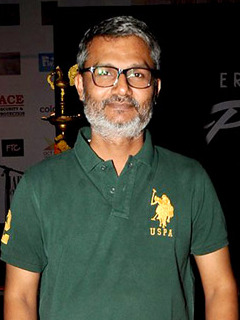 |
Nitesh Tiwari
IIT Bombay
|
Filmmaker; directed Dangal and Chhichhore, two of the highest-grossing Bollywood films of their era. |
 |
Jitendra Kumar
IIT Kharagpur
|
Actor; beloved for his roles in Kota Factory and Panchayat — the latter based on a real IIT alumnus’s experience as a rural civil servant. |
| MIT Alumni — Global Impact Across Fields | ||
| Photo | Name & Institution | Key Achievement |
|
Richard Feynman
MIT (BS Physics)
|
Nobel Prize in Physics, 1965. Quantum electrodynamics pioneer. Feynman Lectures still used worldwide. |
|
Buzz Aldrin
MIT (ScD Astronautics)
|
Apollo 11 astronaut. Second person to walk on the Moon. His MIT thesis informed the Apollo flight plan. |
|
Kofi Annan
MIT Sloan (SM Mgmt)
|
7th UN Secretary-General. Nobel Peace Prize, 2001. Architect of the Millennium Development Goals. |
|
Robert Noyce
MIT (PhD Physics)
|
Co-invented the microchip. Co-founder, Intel. “The Mayor of Silicon Valley.” Modern computing is his legacy. |
|
Lisa Su
MIT (PhD Electrical Eng.)
|
CEO, AMD. Engineered one of tech’s greatest corporate turnarounds; made AMD a serious rival to Intel and Nvidia. |
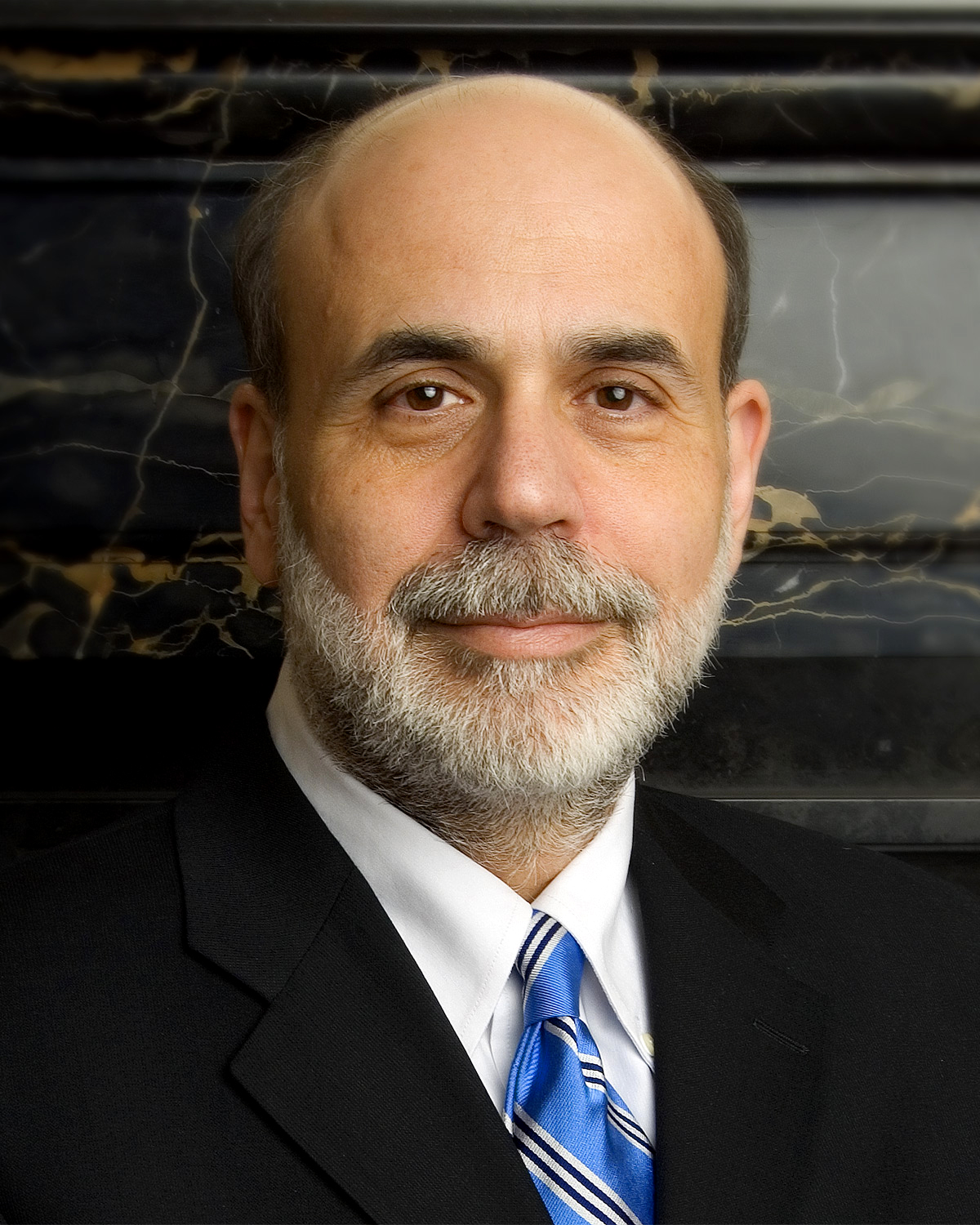 |
Ben Bernanke
MIT (PhD Economics)
|
Fed Chair during the 2008 financial crisis. Nobel Prize in Economics, 2022. |
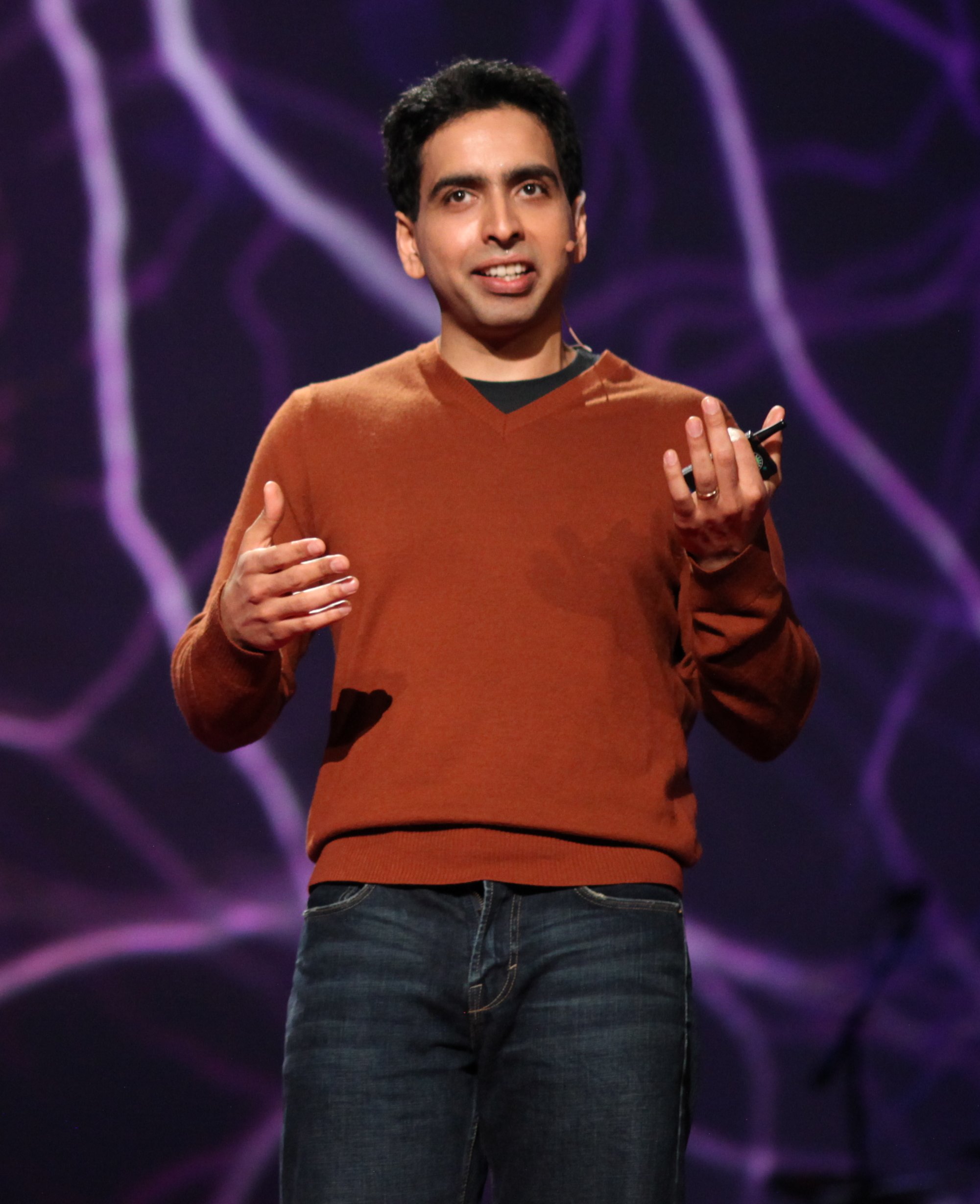 |
Salman Khan
MIT (BS/MEng CS)
|
Founder, Khan Academy. Free world-class education for 150M+ students in 190 countries. |
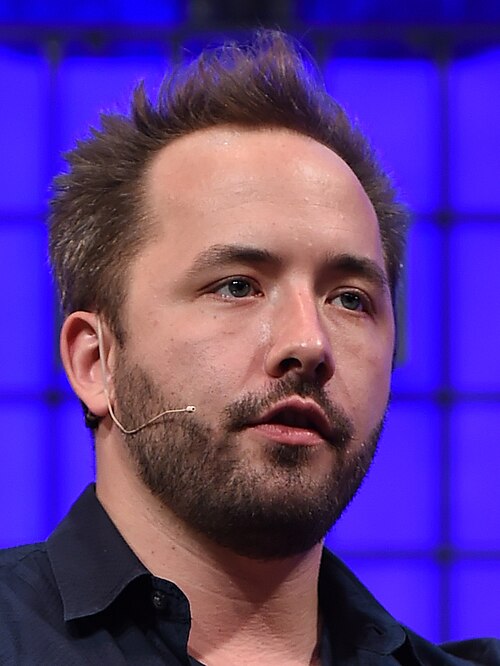 |
Drew Houston
MIT (BS CS)
|
Co-founder & CEO, Dropbox. Conceived the idea on a bus as an MIT undergrad. Transformed cloud storage. |
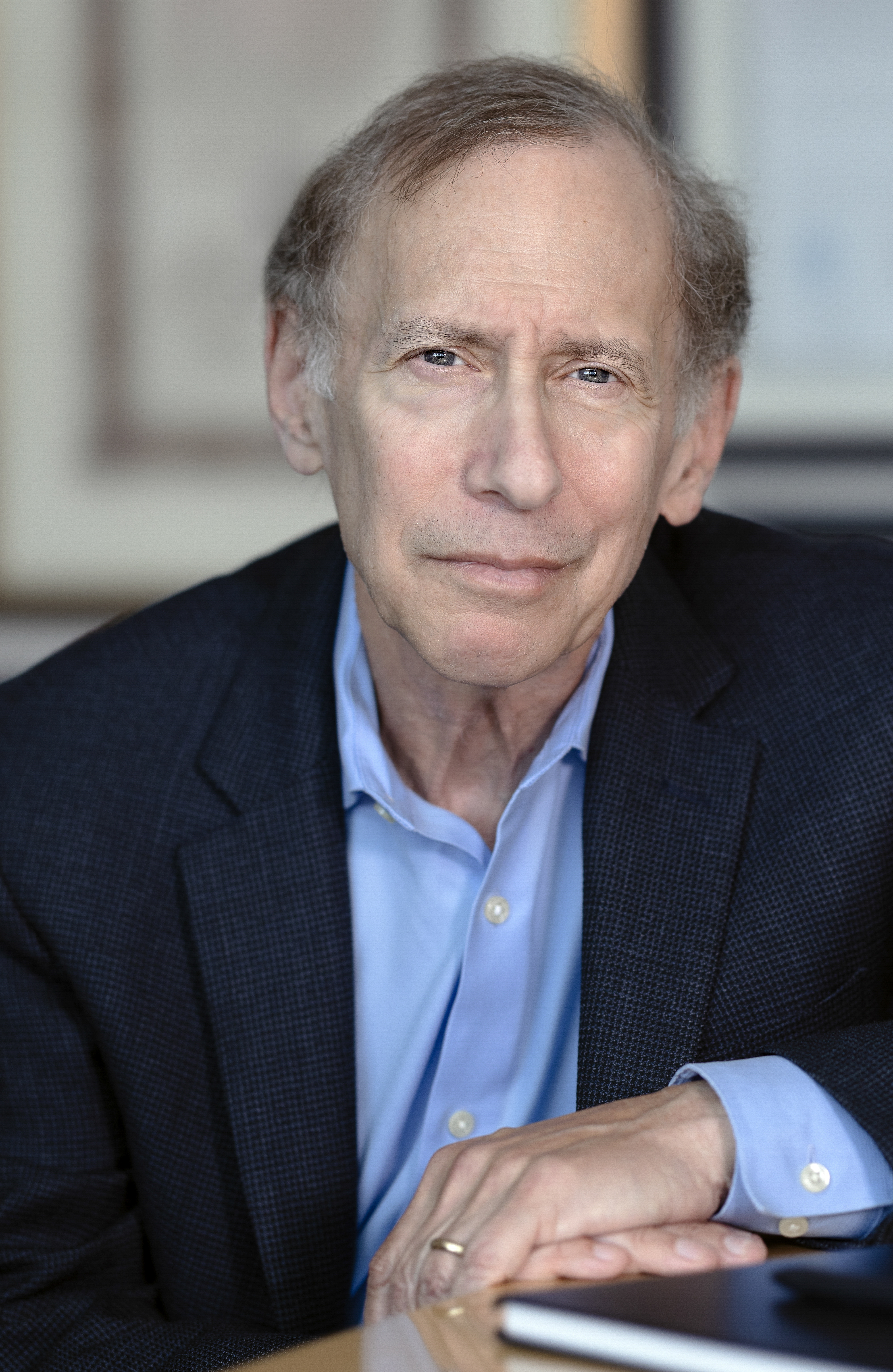 |
Robert Langer
MIT (ScD Chem. Eng.)
|
Holds 1,400+ patents. Called “the Edison of Medicine” by TIME. His lab has spun out 40+ companies in drug delivery and tissue engineering. |
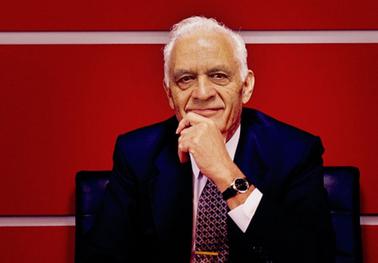 |
Amar Bose
MIT (PhD EE)
|
Founder, Bose Corporation. Pioneered psychoacoustics and noise-canceling technology. Also — note the India connection — son of an Indian immigrant from Kolkata. |
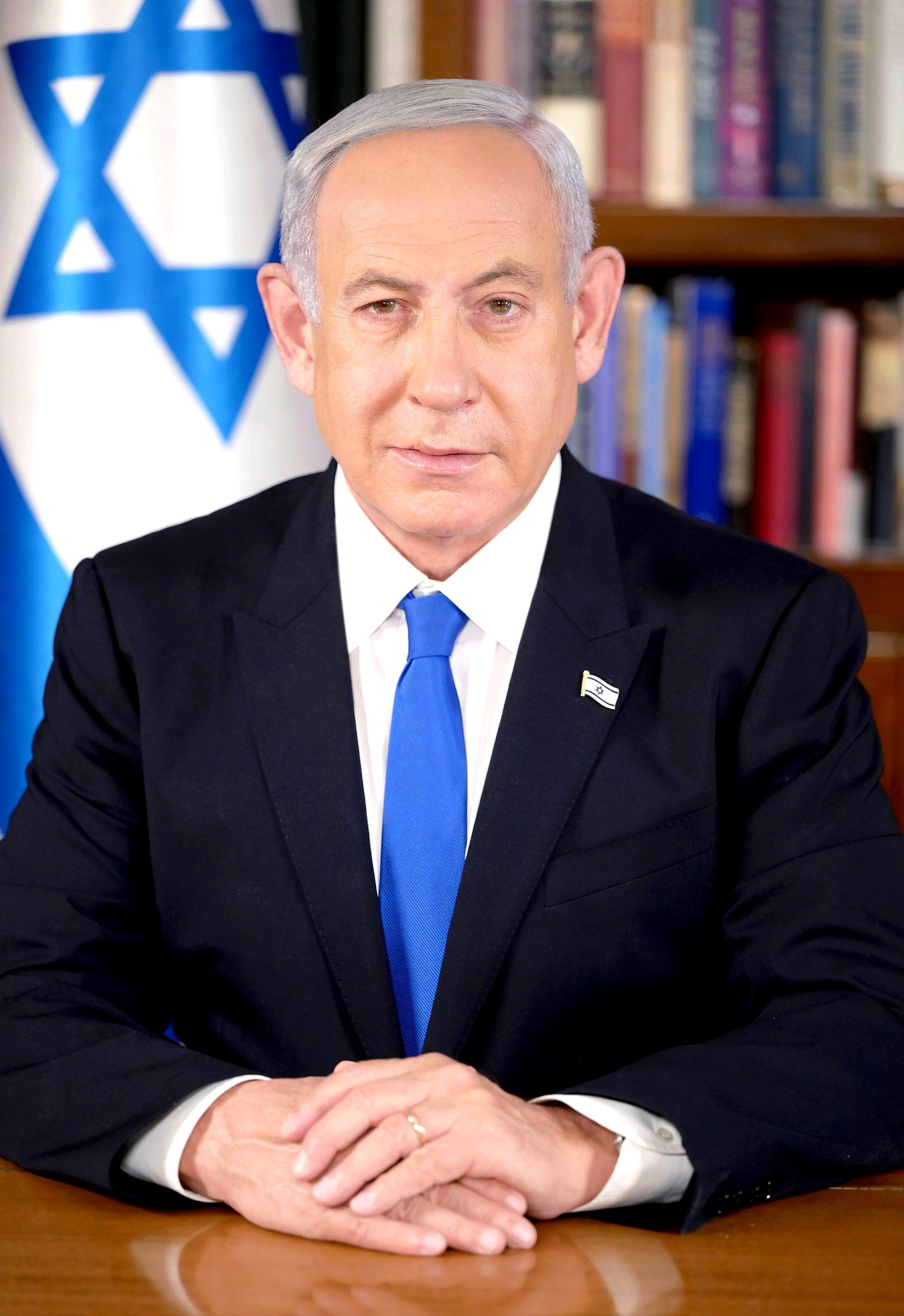 |
Benjamin Netanyahu
MIT / MIT Sloan (BS + SM)
|
Longest-serving Prime Minister of Israel. Shaped modern Middle Eastern politics and economic liberalization over multiple decades. |
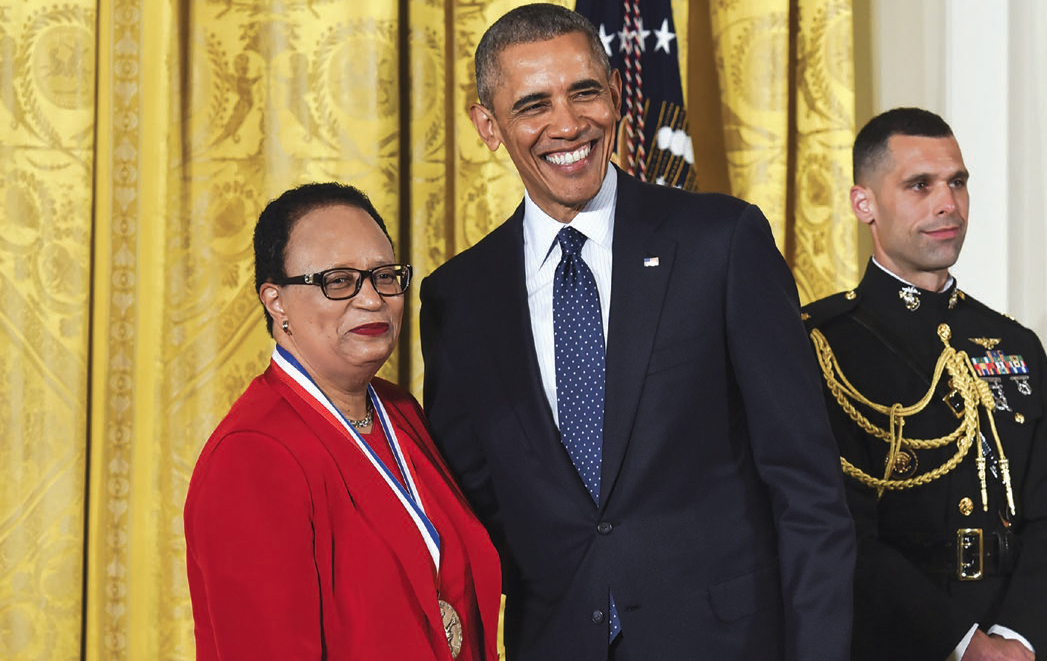 |
Shirley Ann Jackson
MIT (PhD Physics)
|
First African-American woman to earn a PhD from MIT. President, Rensselaer Polytechnic Institute; former Chair, US Nuclear Regulatory Commission. |
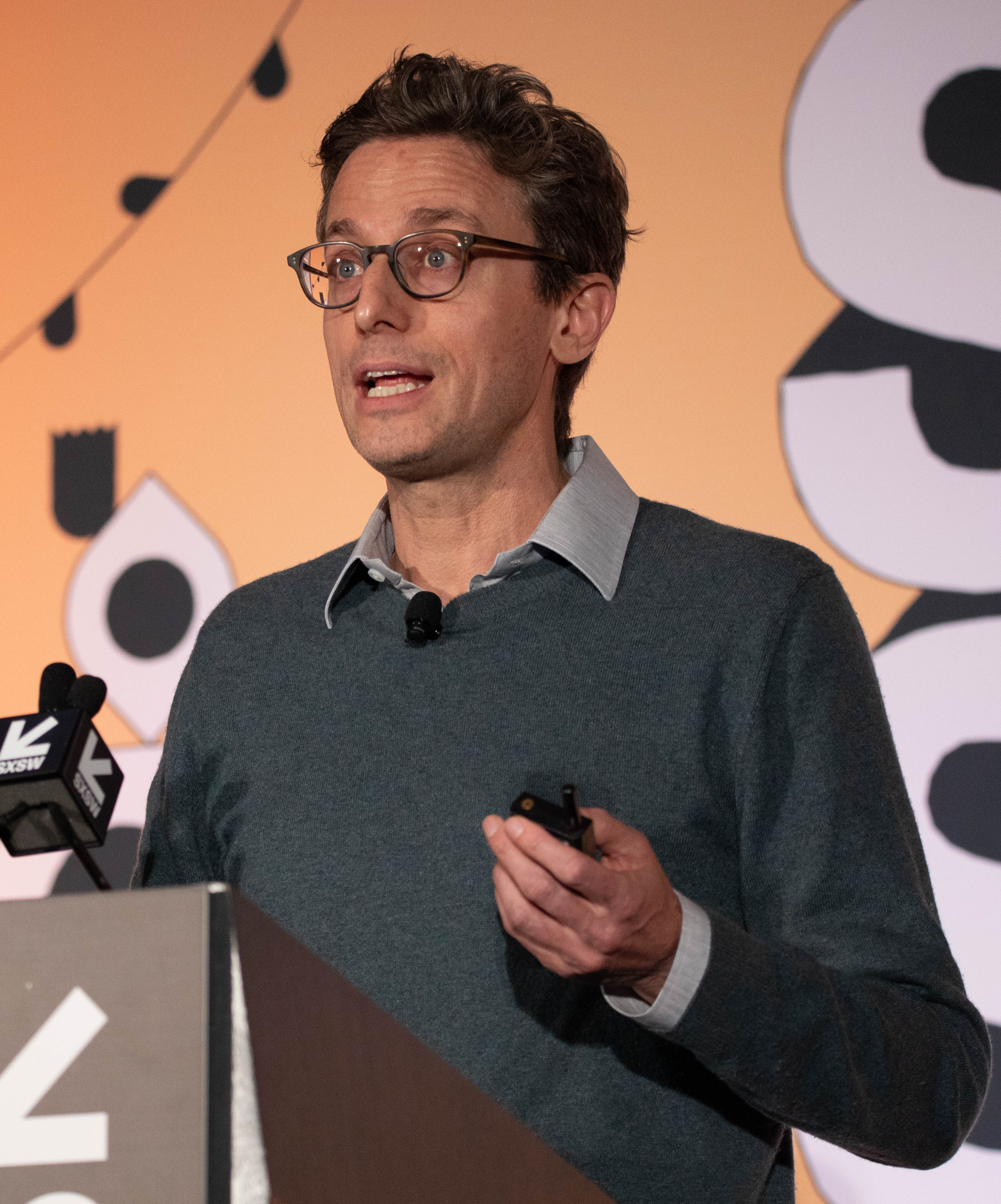 |
Jonah Peretti
MIT Media Lab
|
Co-founded The Huffington Post and BuzzFeed. Pioneered viral content mechanics and modern digital media. |
Sources: Institutional records, QS World University Rankings 2025, MIT admissions data, JEE Advanced official statistics, research on Kota coaching industry (Indian Journal of Public Health; Early Intervention in Psychiatry, 2024), CBS News, Netflix.